
What Deer Eat and Why They Keep Coming Back
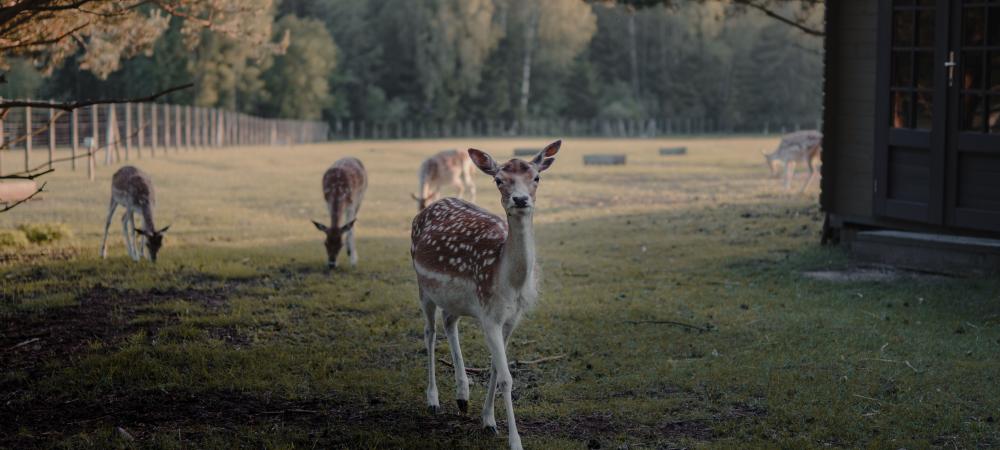
Deer in Georgia eat the tender, nutrient-rich plants homeowners work hardest to grow: hostas, pansies, azaleas, daylilies, hydrangeas, roses, and the fresh new growth on young trees and shrubs. Deer keep coming back because a well-kept yard is a dependable food source. Fertilized, watered plants carry more protein, minerals, and moisture than most of what grows in the woods, and deer remember where they found a good meal.
Which Landscape Plants Do Deer Eat Most in Georgia?
Deer eat soft, fleshy, and tender plants first, and the usual targets in Georgia yards fall into five groups:
- Flowers and annuals: pansies, violas, impatiens, petunias, fall mums, and the buds and blooms of daylilies.
- Perennials: hostas, a deer favorite, along with gerbera daisies and hibiscus.
- Shrubs: azaleas, rhododendrons, bigleaf and oakleaf hydrangeas, Indian hawthorn, roses, and some hollies.
- Trees: tender new growth on Japanese maples, redbuds, dogwoods, and red maples, plus the low branches of flowering crabapples.
- Edibles: leafy vegetables, ripening fruit, and young fruit trees.
Newly planted shrubs and flowers are at the highest risk. Fresh nursery stock is soft, heavily fertilized, and well watered, which makes it more appealing than established plants nearby.
Why Is Winter the Worst Season for Deer Damage in Georgia?
Winter is the worst season for deer damage because natural food is at its lowest point, while a deer can still eat four pounds or more of plant material a day. Deer face two lean stretches each year, late summer and late winter. The winter shortage pushes them out of the woods and into neighborhoods.
Evergreen shrubs stand out in a dormant winter yard, which makes azaleas, Indian hawthorn, and hollies easy targets. Drought thins out wild forage even further. A hungry deer in January will eat plants it ignored all summer, so damage often shows up on shrubs that looked fine in July.
How Can You Tell if Deer Are Eating Your Plants?
Deer damage leaves ragged, torn edges on leaves and stems because deer have no upper front teeth. A deer grips and pulls vegetation instead of biting cleanly through it. Rabbits, by comparison, leave a sharp, angled cut, usually close to the ground.
Other signs of deer activity include:
- Browsing from about knee height up to 5 or 6 feet off the ground
- Hoof prints in soft soil or mulch beds
- Small piles of pellet-shaped droppings
- Flower buds or new shoots that disappear overnight
Bark scraped off young tree trunks in fall usually comes from a buck rubbing his antlers, not from feeding.
Do Home Remedies Like Soap and Human Hair Keep Deer Away?
Home remedies like bar soap, human hair, and scattered animal droppings give unreliable results and rarely protect plants for long. Deer may avoid a new smell for a few days, then get used to it once they learn it poses no threat. When food is scarce, hungry deer will push past a smell they would avoid in a better season.
Commercial repellents work better, but they share a weak point: rain and new growth. Rain wears product off the leaves, and every leaf that opens after an application starts out unprotected. Most repellent failures come from gaps in timing, not from the product itself.
How Does a Deer Repellent Program Keep Deer From Coming Back?
A deer repellent program works by making every visit unpleasant, so the yard stops being worth the trip. Repellents use scent and taste to discourage feeding. When deer get a bad experience every time they sample a plant, they shift their feeding somewhere else.
Consistency is what makes the approach work. Alliance TSP, Inc. applies deer repellent every 21 days, year-round, so coverage doesn't lapse as weather wears down the last application or new growth comes in. Treatments go on with a mechanical mist blower for leaf-to-branch coverage of ornamental trees and shrubs, annual flowers, and edible plants. If deer browse between scheduled visits, the reapplication comes at no extra cost.
Does Deer Repellent Stop Antler Rubbing on Young Trees?
No. Deer repellent stops browsing, but it doesn't stop bucks from rubbing their antlers on young trunks during the fall breeding season. A plastic tree guard or a ring of wire fencing around the lower trunk is the best way to protect young trees from rubbing damage.